
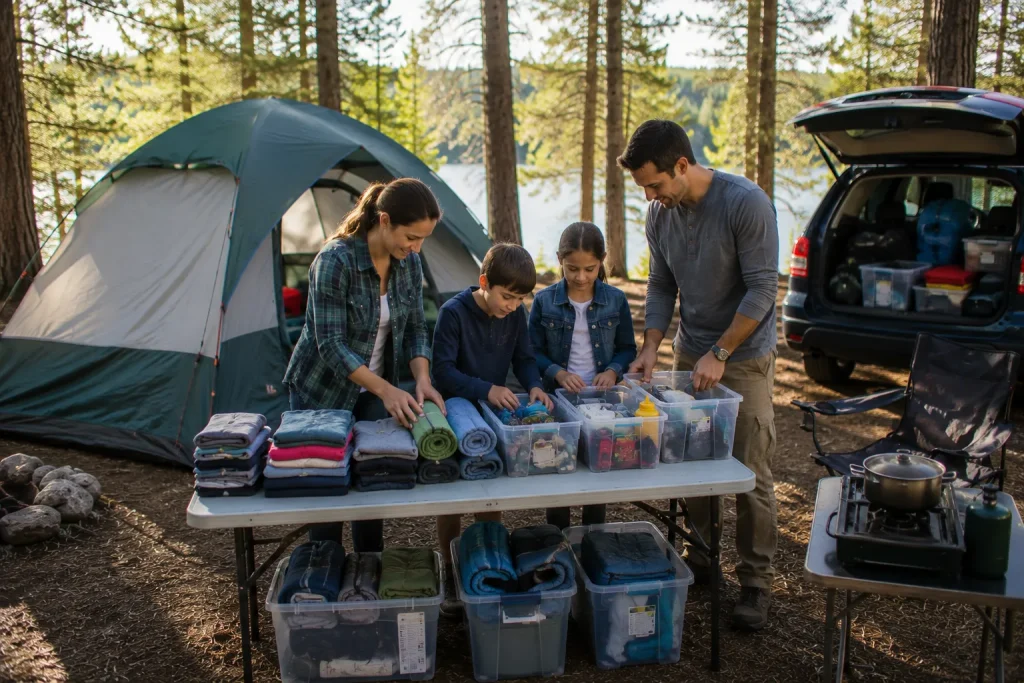
A successful Family Camping Trip depends on planning and organization. Families often pack more items than solo campers, which increases the chance of forgetting essentials. According to the Outdoor Industry Association, more than 58 million Americans participated in camping activities during 2024. Families represented a large portion of those travelers. Proper organization helps reduce stress and allows everyone to enjoy the experience.
We know that camping with children requires more than simply bringing a tent and sleeping bags. Food supplies, clothing, safety items, and entertainment all need careful planning. Organized campers spend less time searching for gear and more time enjoying outdoor activities.
Experienced campers recommend preparing several days before departure. Dividing responsibilities among family members also creates a smoother routine. A clear system for packing, cooking, and daily schedules helps avoid confusion. Whether you are staying for two nights or a full week, good organization can transform your camping experience. Small preparations often make the biggest difference during a busy family adventure.
Create a Detailed Packing System
Use Categories to Avoid Missing Essentials
Smart preparation is the foundation of every Family Camping Trip. Organizing supplies into categories makes packing easier and prevents duplicate items. Professional camping guides recommend preparing equipment at least 72 hours before departure.
Separate gear into different groups:
- Shelter equipment.
- Cooking supplies.
- Clothing and footwear.
- First aid items.
- Personal hygiene products.
- Entertainment and games.
- Emergency tools.
Color-coded storage bins improve efficiency. Clear containers also help families locate supplies quickly. Labeling each box saves valuable time when setting up camp.
Essential Packing Checklist
| Category | Main Items | Recommended Quantity |
|---|---|---|
| Shelter | Tent, stakes, tarp | 1 set |
| Sleeping Gear | Sleeping bags, pillows | One per person |
| Cooking Supplies | Stove, utensils, fuel | 1 complete set |
| Clothing | Shirts, pants, socks | 3 sets per person |
| First Aid | Bandages, antiseptic | 1 kit |
| Lighting | Flashlights, batteries | 2 units |
| Water Storage | Bottles, containers | 1 gallon daily per person |
Experienced outdoor educator James Matthews, who has guided family camps since 2011, recommends using written checklists to reduce forgotten items by nearly 40%.
Organize Your Campsite Efficiently
Assign Zones for Different Activities
An organized campsite creates comfort and safety during a Family Camping Trip. Campers who establish designated areas spend less time searching for equipment and cleaning up.
Create separate sections for:
- Sleeping.
- Cooking.
- Food storage.
- Outdoor games.
- Equipment storage.
Keep cooking supplies away from sleeping tents. Store food securely to prevent wildlife encounters. The National Park Service advises placing food at least 100 feet from sleeping areas when camping in bear habitats.
Maintain Daily Routines
Consistent schedules help children adapt quickly. Families can assign simple responsibilities to every member.
Daily tasks may include:
- Collecting firewood.
- Filling water containers.
- Cleaning dishes.
- Organizing sleeping bags.
- Packing toys after use.
Parents with extensive camping experience report that involving children improves cooperation and teaches responsibility. Even young campers can manage small duties. These habits create a smoother and more enjoyable camping environment.
Plan Meals and Activities Ahead
Meal Planning Saves Time
Food preparation often becomes challenging during a Family Camping Trip. Organized meal schedules eliminate unnecessary stress. Preparing ingredients before leaving home reduces cooking time by nearly 50%.
Many experienced campers prepare:
- Sandwich ingredients.
- Pre-cut vegetables.
- Marinated meats.
- Snack bags.
- Instant oatmeal packs.
The United States Department of Agriculture recommends maintaining cold food below 40°F. Quality coolers can preserve ice for up to five days under moderate summer temperatures.
Schedule Family Activities
Balanced schedules prevent boredom and keep children engaged. Outdoor experts recommend combining active and relaxing activities.
Popular family options include:
- Nature walks.
- Fishing.
- Board games.
- Campfire storytelling.
- Stargazing sessions.
- Scavenger hunts.
Research from Kampgrounds of America showed that 63% of families value shared activities more than electronic entertainment. Planning activities before departure helps maximize quality family time.
Keep Important Documents and Safety Supplies Accessible
Prioritize Emergency Preparedness
Safety should remain a priority during every Family Camping Trip. Professional camping instructors emphasize keeping critical items within easy reach.
Essential safety supplies include:
- First aid kit.
- Emergency flashlight.
- Backup batteries.
- Power banks.
- Printed campground maps.
- Emergency contacts.
- Prescription medications.
The American Red Cross recommends checking first aid supplies before every trip. Replacing expired medications and damaged materials improves emergency readiness.
Use Digital and Physical Backups
Experienced campers often combine digital tools with traditional methods. Weather apps provide updates, but printed information remains valuable when mobile signals disappear.
Keep copies of:
- Reservation confirmations.
- Identification cards.
- Medical information.
- Insurance documents.
- Emergency numbers.
This system provides extra protection and prevents unnecessary disruptions. Families who prepare for unexpected situations often enjoy more relaxed camping experiences. Start your journey with our guide to Family Camping Trip.
Conclusion
Staying organized during a Family Camping Trip creates a safer and more enjoyable experience for everyone. Careful packing, campsite organization, meal planning, and safety preparation all contribute to smoother adventures. Experienced campers understand that simple systems save time and reduce stress. Assigning responsibilities also teaches children valuable life skills.
By creating routines and preparing in advance, families can spend more time making memories and less time solving problems. Good organization turns ordinary camping weekends into memorable outdoor experiences that everyone can enjoy year after year.